Frequently Asked Questions — HNBR O-Rings
What is HNBR hydrogenated nitrile rubber?
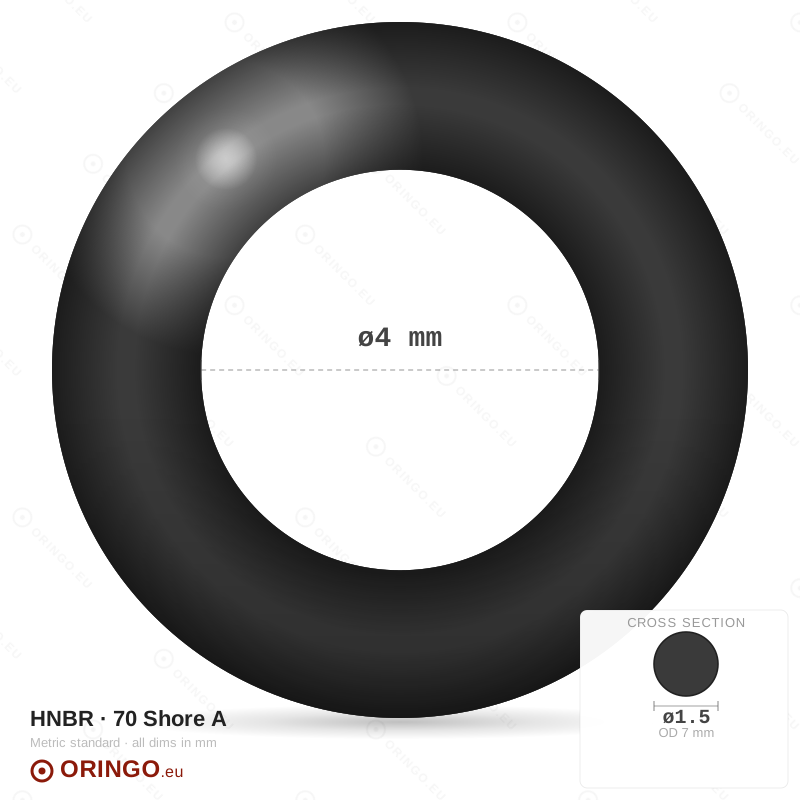
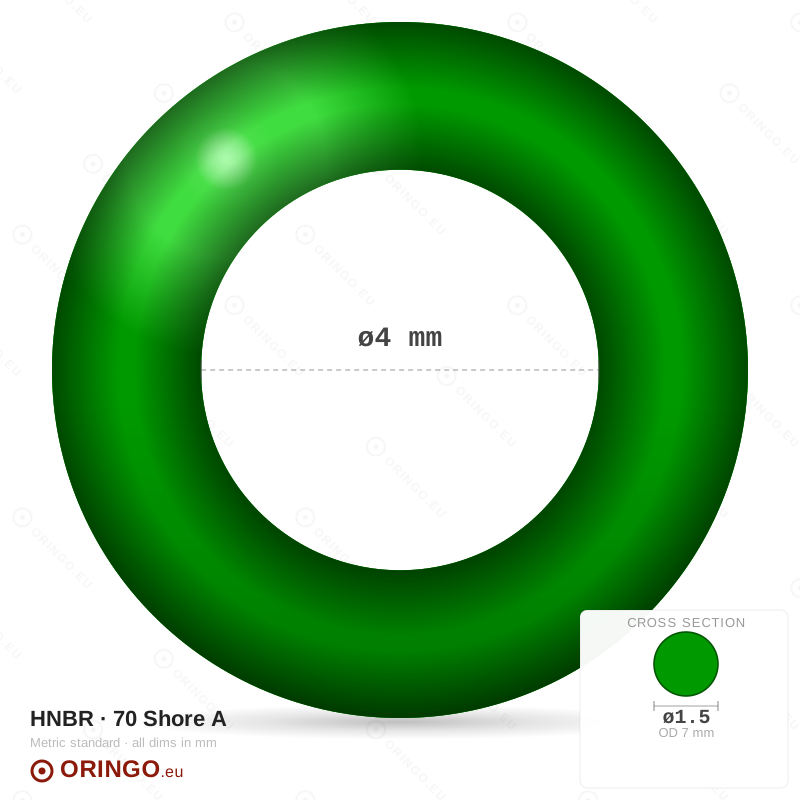
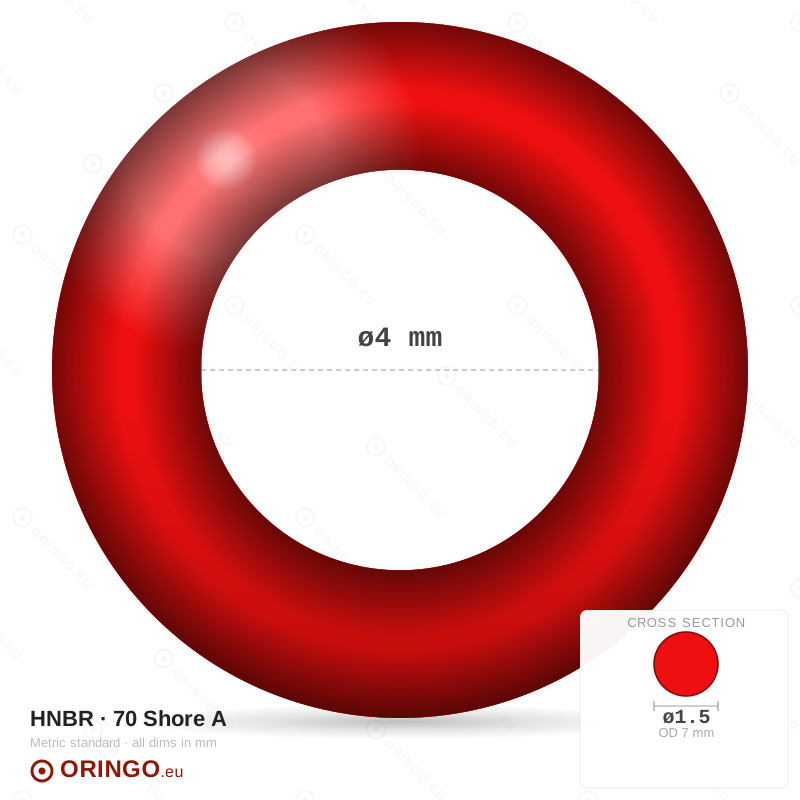
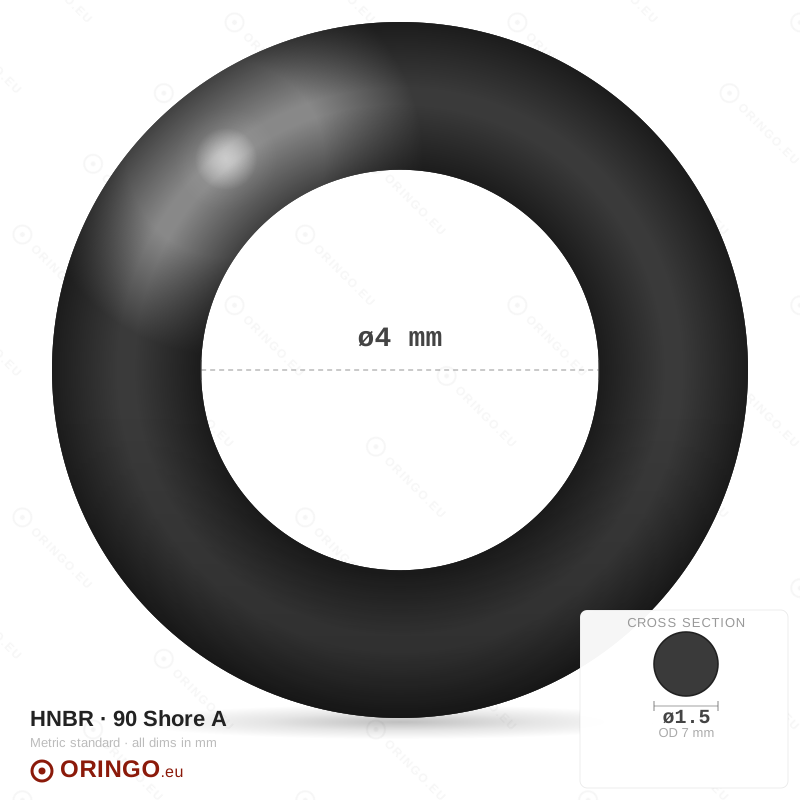
HNBR (Hydrogenated Nitrile Butadiene Rubber) is produced by catalytic hydrogenation of NBR, which saturates the double bonds in the polymer chain. This process dramatically improves heat resistance, ozone and weathering resistance, and mechanical strength compared with standard NBR, while retaining its oil and fuel resistance.
What temperature range can HNBR o-rings handle?
HNBR o-rings operate from −40 °C to +150 °C in oil environments, with some grades rated to +165 °C. This is a significant improvement over standard NBR (max +120 °C) and makes HNBR a direct upgrade when temperatures or ozone exposure exceed NBR's capabilities.
What chemicals is HNBR resistant to?
HNBR has excellent resistance to mineral oils, engine and transmission fluids, motor fuels, H₂S and CO₂ (sour gas), amine-based corrosion inhibitors, refrigerants, and ozone. Its superior ozone resistance and weathering resistance compared with NBR make it suitable for outdoor and automotive underbonnet environments.
What are typical applications for HNBR o-rings?
HNBR o-rings are widely used in automotive power steering, air conditioning (R-134a, R-1234yf refrigerants), engine timing systems, oilfield downhole tools and wellhead equipment exposed to sour gas, industrial refrigeration, and any application that outgrows standard NBR in temperature or ozone resistance.